• Skip to main content
  • Skip to primary sidebar
  • Skip to footer

Sino Machine Industries

  • Home
  • About Us
  • Industries Served
    • SMI Products Overview
      • SMI Special Steel Products 01
      • SMI Special Steel Products 02
      • SMI Metal Recycling
      • NDT (Non Destructive Testing) service
  • Capabilities
    • Aluminum Industry
      • Aluminum Dross Press
      • Aluminum Dross Cooling Pan
      • Alloy Steel Sow Mold
      • Aluminum Dross Skim Blades and Skim Tools
      • Aluminum Furnace Skimming Tool or Skim blades used for Stirring and Mixing
      • Dross Press & Dross Processing
      • Application of Intelligent Ladle Slag Scraper (Skimming Tools) in steel mills and aluminum mills
      • Transmission Parts
      • The correct combination of the press head and the dross pan
      • 7-9kgs Small Standard Ingot Molds | Moldes de lingotes estándar pequeños de 7-9kgs
      • Comparison between Sow Molds and Ingot Molds
      • Aluminum Dross Transport Equipment
      • Aluminum Dross Recycling Systems
      • Aluminum, Magnesium, Brass, Bronze, Lead, Zinc Ingot Molds
      • Anode steel claw (Electrolytic claw) | Garra de acero del ánodo (garra electrolítica)
      • Anode Steel Yoke
  • eNews
  • Contact Us

Industries We Serve

February 10, 2025 By Sen Liang Leave a Comment

Dross Press vs Manual Dross Processing: ROI Analysis

Is a Hydraulic Dross Press Worth the Investment? A Financial and Technical Analysis

Aluminium dross is an unavoidable by-product of every melting and casting operation. How your facility manages that dross determines whether it represents a recoverable asset or a disposal cost — and the difference between the two can be substantial.

This article provides a technical and financial comparison between hydraulic dross pressing and conventional manual dross processing, to help plant managers and operations teams make a well-informed capital investment decision.


What Is Aluminium Dross?

When aluminium is melted, a layer of oxide-rich material forms at the surface of the melt. This material — dross — consists of a mixture of aluminium oxide (Al₂O₃), aluminium nitride, other metallic oxides, and critically, entrapped liquid aluminium metal.

The metallic aluminium content of hot dross varies significantly depending on:

  • Furnace type and operating practice
  • Alloy composition
  • Skimming technique and timing
  • Ambient temperature and humidity

In typical secondary smelting operations, hot dross contains 40–80% metallic aluminium by weight. This is the recoverable fraction — and it represents significant economic value that manual processing routinely fails to capture fully.


Manual Dross Processing: How It Works and Where It Falls Short

In manual processing, hot dross is skimmed from the furnace and either spread on the floor and raked while hot to release entrapped metal, or placed in a dross pan and allowed to cool before being broken up and screened.

The core problem with manual processing is timing. Once dross is removed from the furnace, oxidation continues rapidly. Every minute that passes before the metallic aluminium is separated from the oxide fraction means more metal lost to further oxidation.

Studies across multiple secondary smelter operations consistently show that manual processing recovers only 60–75% of the available metallic aluminium in hot dross. The remainder oxidises or remains entrapped in the oxide cake, ultimately sent for salt furnace processing or landfill — at additional cost.

Additional limitations of manual processing include:

  • Safety risks from handling hot dross in open environments
  • Inconsistent recovery rates depending on operator skill and attention
  • Dross fume emissions from prolonged hot dross exposure
  • No data capture — manual processes generate no records of dross volume, metal recovery rate, or oxide quality

How a Hydraulic Dross Press Works

A hydraulic dross press applies controlled mechanical pressure to hot dross immediately after skimming — typically within 2–4 minutes of removal from the furnace. The pressing action forces liquid aluminium out of the oxide matrix and into a collection pan, where it solidifies into a recoverable metal button or sow.

The key operating principle is speed and pressure. By pressing the dross while it is still above the aluminium liquidus temperature (660°C), the metallic fraction flows freely under pressure. A well-operated dross press typically recovers 85–95% of the available metallic aluminium — a 15–30 percentage point improvement over manual methods.

Modern hydraulic dross presses also offer:

  • Enclosed pressing chamber — significantly reduces fume emissions and improves workplace safety
  • Consistent, repeatable process independent of operator skill
  • Digital monitoring of press cycles, dross weight, and metal yield
  • Reduced oxide cake volume, improving downstream handling and disposal economics

Financial Analysis: When Does a Dross Press Pay Back?

The return on investment for a dross press depends on three variables: dross volume, aluminium price, and current manual recovery rate.

Example calculation — medium-scale secondary smelter:

Parameter Value
Annual dross generated 1,200 tonnes
Average metallic Al content 55%
Available metallic Al 660 tonnes/year
Current manual recovery rate 68%
Metal recovered manually 449 tonnes/year
Dross press recovery rate 90%
Metal recovered with press 594 tonnes/year
Additional metal recovered 145 tonnes/year
Aluminium price (LME + premium) USD 2,400/tonne
Additional annual revenue USD 348,000/year

Against a capital investment of USD 180,000–320,000 for a mid-range hydraulic dross press (depending on capacity and specification), the simple payback period in this example is 7–11 months.

Even in operations with lower dross volumes or lower aluminium prices, payback periods under 24 months are common — making dross press investment one of the highest-return capital projects available to aluminium recyclers.


Four Factors That Affect Dross Press ROI

Dross Temperature at Pressing Time

The closer to furnace temperature, the higher the metal yield. Facilities that can position the dross press within 10–15 metres of the furnace tap consistently achieve better recovery than those with longer transport distances.

Dross Composition

High-oxide drosses (from reactive alloys or poor furnace practice) yield less metal regardless of pressing method. Improving furnace practice — lid management, flux use, skimming frequency — increases the available metal fraction before the dross press even comes into play.

Press Capacity Matching

A press that is undersized for your dross generation rate creates a bottleneck — dross cools while waiting and recovery rates drop. Matching press cycle time to furnace skimming frequency is a critical specification decision.

Oxide Cake Offtake

The pressed oxide cake (typically 10–20% residual Al content) still has value as a secondary raw material for salt furnace operators or cement producers. Establishing a reliable offtake agreement for pressed oxide cake improves the overall economics further.


Conclusion

For any aluminium melting operation generating more than 400–500 tonnes of dross per year, the financial case for hydraulic dross pressing is compelling. The combination of higher metal recovery, improved workplace safety, reduced fume emissions, and consistent process data makes it a sound investment by both financial and operational measures.

Manual processing has its place in very small-scale operations — but as a long-term strategy for any facility serious about metal yield and operational efficiency, it is not a competitive option.

Contact our engineering team for a site-specific ROI calculation based on your actual dross volumes and alloy mix.

Filed Under: Aluminium Casting Tagged With: aluminium recycling, Dross Press, dross processing, ROI analysis, secondary smelter

January 10, 2025 By Sen Liang Leave a Comment

Dross Stir Blades and Dross Skim Blades (Dross Skim Tools)

Dross Skim Blades and Dross Skim Tools

Dross skim blades (Dross Skimming Tools) are often the headaches in the casthouse operation because of the usual short life expectancy. SMI specially designed skim blades, made out of our proprietary material, usually last substantially longer than the traditional ones. Show us your reverberatory furnace and the skim blade handling equipment, we will offer you our skim blades to fit for your application for longer service life.

Dross skim tools including the following series:
CAST STIR BLADE series, CAST SKIM BLADE series, CAST LOCK PINs, NUTs and SCREWs. Let us know your production environment and we will tell you how to choose dross stir blade, how to choose skim blade and the appendages.

Las cuchillas de escoria (Dross Skimming Tools) son a menudo los dolores de cabeza en la operación de la fundición debido a la corta esperanza de vida habitual. Las cuchillas desnatadas especialmente diseñadas por SMI, hechas de nuestro material patentado, suelen durar mucho más que las tradicionales. Muéstrenos su horno de reverbero y el equipo de manejo de cuchillas desnatadas, le ofreceremos nuestras cuchillas desnatadas que se adaptan a su aplicación para una vida útil más larga.

Οι λεπίδες Dross skim (Dross Skimming Tools) είναι συχνά οι πονοκέφαλοι στη λειτουργία του χυτοστασίου λόγω του συνηθισμένου μικρού προσδόκιμου ζωής. Οι ειδικά σχεδιασμένες λεπίδες αποκορύφωσης SMI, κατασκευασμένες από ιδιόκτητο υλικό μας, συνήθως διαρκούν σημαντικά περισσότερο από τις παραδοσιακές. Δείξτε μας τον κλίβανο αντήχησης και τον εξοπλισμό χειρισμού λεπίδων αποκορύφωσης, θα σας προσφέρουμε τις λεπίδες αποκορύφωσης που ταιριάζουν στην εφαρμογή σας για μεγαλύτερη διάρκεια ζωής.

Filed Under: Furnace Tools & Accessories Tagged With: aluminium dross, dross skim blades, dross stir blades, furnace tools, skimming tools

January 9, 2025 By Sen Liang Leave a Comment

Comparison between Sow Molds and Ingot Molds

Comparison between Sow Molds and Ingot Molds, covering shape, materials, functions, applications, replacement frequency, and other key differences:

1. Shape & Structural Design
Aspect Sow Molds Ingot Molds
Typical Shape – Thick, block-like (trapezoidal or rectangular, 500–2,000 kg) – Slender, standardized bars (“T” or trapezoidal, 20–25 kg)
– Rough surface, minimal internal features – Smooth surface, precise dimensions
Dimensions – Example: 1.5m × 0.6m × 0.5m (for 1,000 kg ingots) – Example: 0.8m × 0.15m × 0.1m (for 25 kg ingots)
Internal Design – Reinforced for bulk strength (fewer ribs) – Multiple ribs (to prevent warping)
– Simple interior surface – Mold release slopes or grooves
2. Manufacturing Materials
Aspect Sow Molds Ingot Molds
Primary Materials – Gray cast iron (HT250): Low cost, heat-resistant – Gray cast iron (HT200): Lightweight
– Ductile iron (QT500-7): Superior thermal shock resistance – Low-carbon steel (Q235B): For rapid cooling
– High-chromium cast iron (Cr 15–20%) – Nickel-plated variants (anti-stick)
Material Properties – High thermal conductivity – Moderate thermal conductivity
– Carbon content: 3.0–3.5% (gray iron) – Carbon content: 2.5–3.2% (gray iron)
3. Function & Applications
Aspect Sow Molds Ingot Molds
Primary Function – Cast large aluminum blocks (“sows”) for remelting or rolling – Produce standardized ingots for direct sale or machining
– Focus on slow cooling to preserve metal quality – Prioritize rapid solidification and surface finish
Applications – Primary smelters (electrolytic aluminum) – Downstream processing plants (e.g., extrusion, forging)
– Recycling plants (bulk scrap remelting) – Commercial trade (standardized units)
Cooling Method – Natural cooling (4–8 hours) – Forced cooling (water/air jets, 10–30 minutes)
– Insulation layers (e.g., ceramic blankets)  
4. Replacement Frequency & Maintenance
Aspect Sow Molds Ingot Molds
Service Life – 300–500 pours (prone to thermal cracking) – 1,000–1,500 pours (lightweight design)
– Repairable via welding – Less frequent repairs
Failure Modes – Thermal fatigue cracks (interior surface) – Surface oxidation peeling
– Warping (difficulty demolding) – Dimensional inaccuracy due to wear
Maintenance – Inspect for cracks every 50 uses – Clean slag every 100 uses
– Apply anti-stick coatings (e.g., graphite) – Calibrate dimensions periodically
5. Industry Use Cases
1) Sow Molds Example:
An electrolytic aluminum plant uses HT250 gray iron sow molds to cast 1,200 kg blocks for rolling mills. Molds are replaced every 6 months.
2) Ingot Molds Example:
An extrusion factory employs Q235B steel ingot molds to produce 22.5 kg T-shaped ingots at 200 units/hour, with a mold lifespan of 2 years.
6. Key Differences & Selection Guidelines
Factor Sow Molds Ingot Molds
Design Focus Bulk casting, slow cooling, durability Standardization, speed, surface quality
Ideal Scenario Primary smelting or remelting Downstream processing or trade
Cost Efficiency Higher initial cost, saves remelting energy (~15%) Lower cost, mass production efficiency (~30% faster packaging)
Recommendations:
1) Use Sow Molds for intermediate products requiring remelting or rolling.
2) Choose Ingot Molds for final products needing standardized shapes and fast turnover.

This comparison highlights how material choices, design priorities, and operational needs drive the selection between these critical aluminum casting tools. For more professional guidance, please contact our aluminium casting engineer.

Filed Under: Casting Consumables Tagged With: aluminium casting, casting comparison, Ingot Mold, ingot mould, Sow Mold, sow mould

January 9, 2025 By Sen Liang Leave a Comment

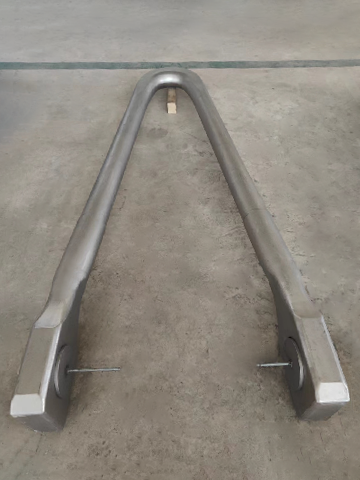
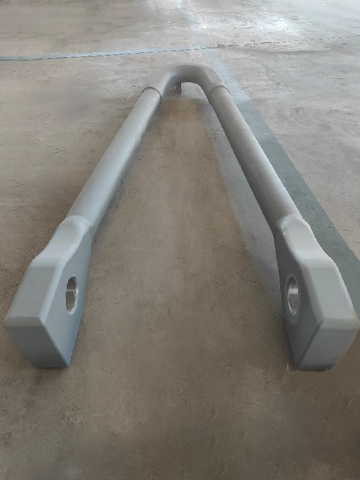
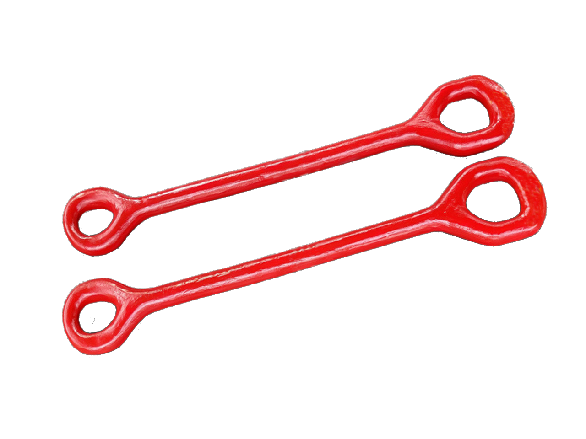
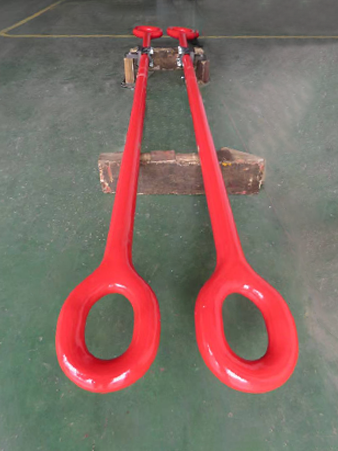
Eye Bolts Products (Ring and Lifting Ring)

Eye Bolt Products (Ring and Lifting Ring)

Eye Bolts Products - Lift Ring02
Eye Bolts Products – Lift Ring02
Eye Bolts Products - Lift Ring03
Eye Bolts Products – Lift Ring03
Eye Bolts Products - Lift Ring01
Eye Bolts Products – Lift Ring01


Eye Bolts Products - Ring01
Eye Bolts Products – Ring01
Eye Bolts Products - Ring03
Eye Bolts Products – Ring03
Eye Bolts Products - Ring02
Eye Bolts Products – Ring02

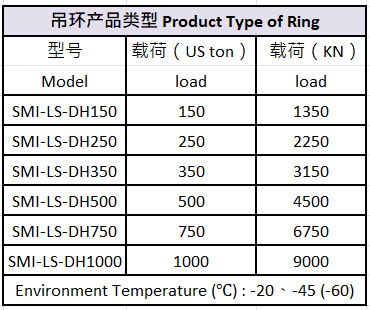
Material:
Material for Ring: 34CrNi1MoA, 34CrNi1Mo, 34CrNi3Mo
Material for Lifting Ring: 20Cr2Ni4E

Standards:
The ring meets the standards: API Spec 8C-2012 5th Edition (including Errata 2) and GB/T19190.
Capacity: 350 pairs/year;
Delivery cycle: standard Ring 25 days, non-standard Ring 30 days.
The lifting ring meets the standards: API Spec 8C2012 5th edition (including Errata 2) and GB/T19190.
Capacity: 350 pieces/year,
Delivery cycle: standard Lifting Ring 25 days, non-standard Lifting Ring 30 days.

Eye Bolts Products Type:

Product Type of Ring
Product Type of Lifting Ring

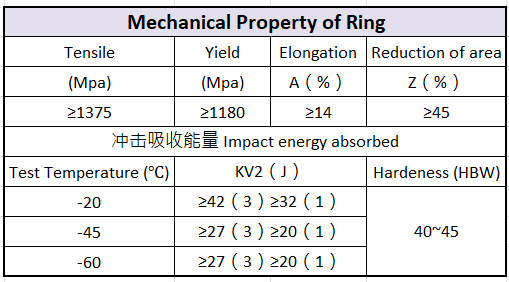
Mechanical Property:

Mechanical Property of Lifting Ring
Mechanical Property of Ring

Productos de cáncamo (anillo y anillo de elevación)
Material:
Material para anillo: 34CrNi1MoA, 34CrNi1Mo, 34CrNi3Mo
Material para el anillo de elevación: 20Cr2Ni4E

Normas:
El anillo cumple con los estándares: API Spec 8C-2012 5ª Edición (incluso con Errata 2) y GB/T19190.
Capacidad: 350 pares/año;
Ciclo de entrega: anillo estándar 25 días, anillo no estándar 30 días.
El anillo de elevación cumple con los estándares: API Spec 8C2012 5ª edición (incluida Errata 2) y GB/T19190.
Capacidad: 350 piezas/año,
Ciclo de entrega: anillo de elevación estándar 25 días, anillo de elevación no estándar 30 días.

Προϊόντα Eye Bolt (δακτύλιος και δακτύλιος ανύψωσης)
Υλικός:
Υλικό για το δαχτυλίδι: 34CrNi1MoA, 34CrNi1Mo, 34CrNi3Mo
Υλικό για την ανύψωση δαχτυλιδιού: 20Cr2Ni4E

Πρότυπα:
Ο δακτύλιος πληροί τα πρότυπα: API Spec 8C-2012 5th Edition (συμπεριλαμβανομένου του Errata 2) και GB/T19190.
Χωρητικότητα: 350 ζεύγη/έτος.
Κύκλος παράδοσης: τυποποιημένο δαχτυλίδι 25 ημέρες, μη τυποποιημένο δαχτυλίδι 30 ημέρες.
Ο δακτύλιος ανύψωσης πληροί τα πρότυπα: API Spec 8C2012 5th edition (συμπεριλαμβανομένου του Errata 2) και GB/T19190.
Χωρητικότητα: 350 τεμάχια/έτος,
Κύκλος παράδοσης: τυπικός δακτύλιος ανύψωσης 25 ημέρες, μη τυποποιημένος δακτύλιος ανύψωσης 30 ημέρες.

Filed Under: Design, Research & Development, SMI Products Overview, SMI Special Steel Products 01, SMI Special Steel Products 02

March 12, 2024 By Sen Liang Leave a Comment

Crusher Wear Parts: Material Guide for Jaw, Cone & Impact

Choosing the Right Material for Crusher Wear Parts: A Practical Guide for Jaw, Cone and Impact Crushers

Selecting the right wear material for crusher liners, mantles, blow bars, and jaw plates is one of the most consequential decisions in crushing plant maintenance management. The wrong specification can halve wear part service life, increase crusher downtime, and raise cost-per-tonne to uncompetitive levels.

This guide covers the primary material options for the three main crusher types — jaw crushers, cone crushers, and impact crushers — and the operating conditions that determine the best choice for each application.


The Core Trade-Off: Hardness vs. Toughness

Unlike many engineering material selections, crusher wear parts involve an inherent trade-off:

  • Harder materials resist abrasive wear better but are more brittle and susceptible to fracture under impact loads
  • Tougher materials absorb impact energy without fracturing but wear faster under abrasion

The optimal material sits at the right point on this hardness-toughness spectrum for your specific feed material, feed size, and crushing method. Getting this balance wrong in either direction increases cost — either through accelerated wear or through premature fracture.


Jaw Crusher Wear Parts

Jaw crushers apply compressive force through a fixed and a movable jaw plate. The primary wear mechanism is abrasion combined with compression — feed material is squeezed and dragged across the jaw plate surface.

Standard Manganese Steel (Mn13 / Mn14)

High manganese steel (Hadfield steel) remains the dominant material for jaw crusher liners globally. Its unique property is work hardening — the surface hardens dramatically under impact and compressive stress, while the bulk material remains tough and ductile.

Best for: Hard, abrasive feed (granite, basalt, iron ore) with large feed sizes (>200 mm). The work-hardening effect is maximised when feed particles are large enough to generate significant impact forces.

Limitation: In fine crushing or with soft feed materials, insufficient impact energy prevents full work hardening and the liner wears faster than expected.

High Manganese Steel (Mn18)

Higher manganese content increases toughness further at some cost to initial hardness. Used in applications with high impact loads — large feed, intermittent boulder loading, or hard blocky feed.

Best for: Primary jaw crushing of hard rock with irregular, high-impact feed.

Medium Alloy Steel (Chrome-Moly Grades)

For fine jaw crushing applications where work hardening is limited, medium alloy steel with chromium and molybdenum additions offers higher initial hardness than manganese steel.

Best for: Secondary jaw crushing, fine feed sizes, soft to medium-hard feed material.


Cone Crusher Wear Parts

Cone crushers (mantles and concaves/bowl liners) operate through a combination of compression and sliding action. The wear environment is generally less impactful than a jaw crusher but involves more continuous sliding abrasion.

Standard Mn18Cr2 (18% Mn, 2% Cr)

The addition of chromium to high manganese steel improves abrasion resistance while maintaining good toughness. This is the most widely used specification for cone crusher mantles and bowl liners in hard rock applications.

Best for: Hard, abrasive feed (granite, quartzite, iron ore) in secondary and tertiary cone crushing.

Mn22Cr2 (22% Mn, 2% Cr)

Higher manganese content for applications with very high impact loading or significant uncrushable material risk (tramp metal).

Best for: Large primary cone crushers, applications with tramp metal risk.

High Chrome Iron (25–28% Cr)

Where abrasion is the dominant wear mechanism and impact loads are low, high chrome iron offers significantly higher hardness (650–750 HB). Service life can be 2–3× longer than manganese steel in the right conditions.

Best for: Fine cone crushing, abrasive but low-impact feed (river gravel, limestone, soft sandstone).

Critical limitation: High chrome iron is brittle. Any application with significant impact loading — oversized feed, uncrushable material, or feed segregation — risks catastrophic fracture. This material should never be specified without a careful assessment of impact risk.


Impact Crusher Wear Parts

Impact crushers (blow bars, impact plates, apron liners) operate through high-velocity impact rather than compression. Blow bars rotate at high tip speeds (30–50 m/s) and fracture feed material through kinetic energy transfer — a fundamentally different wear environment dominated by high-energy impact rather than abrasion.

High Manganese Steel Blow Bars

The toughest option. High manganese steel blow bars will survive almost any impact event without fracturing, but wear relatively quickly in abrasive applications.

Best for: Recycling applications (concrete demolition waste, mixed construction debris) where tramp metal risk is constant and fracture resistance is the priority.

Martensitic Steel Blow Bars (400–500 HB)

Higher initial hardness than manganese steel with reasonable toughness. Delivers consistent performance from new to end-of-life without relying on work hardening.

Best for: Natural aggregate applications with medium-hard feed (limestone, soft granite) where feed is controlled and tramp metal risk is low. Typically 30–50% longer wear life than manganese steel in these conditions.

High Chrome Iron Blow Bars (600–700 HB)

Highest wear resistance available for impact crusher blow bars. In clean, controlled limestone crushing, high chrome iron can deliver 3–4× the service life of manganese steel blow bars.

Best for: Clean limestone and soft aggregate crushing with very low tramp metal risk. Strictly controlled feed preparation is essential.

Ceramic Composite Blow Bars

The premium category. Ceramic composite blow bars embed hard ceramic tiles (typically aluminium oxide or zirconia) in a steel or high chrome iron matrix, combining extreme hardness (>1,200 HV ceramic phase) with a tough backing material.

Best for: Highly abrasive applications — flint-bearing limestone, recycled glass, abrasive sand and gravel. Cost is significantly higher, but service life in the right application justifies the premium.


Quick Reference: Material Selection by Application

Feed Material Crusher Type Recommended Material
Hard granite / basalt (primary) Jaw Mn14 or Mn18
Hard granite / basalt (secondary/tertiary) Cone Mn18Cr2
Limestone (abrasive, low impact) Cone High Chrome Iron
River gravel / soft aggregate Impact Martensitic Steel
Recycling / demolition waste Impact High Manganese Steel
Clean limestone (controlled feed) Impact High Chrome Iron
Flint-bearing or highly abrasive Impact Ceramic Composite

Conclusion

No single material is optimal across all crusher types and feed conditions. The facilities that achieve the lowest cost-per-tonne consistently are those that match material specification precisely to their operating conditions — and review that specification when feed conditions change.

SMI supplies crusher wear parts in all grades discussed in this guide, manufactured to OEM and custom specifications. Our technical team can review your feed material, crusher model, and current wear data to recommend the most cost-effective specification.

Contact us for a technical consultation, or visit minecomponents.com for full product listings and technical datasheets.

Filed Under: Mining & Crushing

February 1, 2024 By Sen Liang Leave a Comment

Aluminum Dross Press

Aluminum Dross Press — In-House Dross Recovery Systems for Aluminum Casthouses

An aluminum dross press is the most effective method for recovering free metal from hot aluminum dross at the point of generation — before oxidation converts recoverable aluminum into oxide waste. By combining hydraulic compaction with forced cooling in a single automated cycle, a correctly specified dross press system typically achieves 20–35% in-house metal recovery, depending on operational conditions at the casthouse.

SMI designs, manufactures and commissions aluminum dross press systems as a complete supply — from the press frame and hydraulic unit through to the dross press cooling head, dross pan set and control system. Developed with over 30 years of experience in the aluminum recycling industry, SMI delivers dross press systems as engineered solutions matched to each customer’s furnace type, dross generation rate and casthouse configuration.

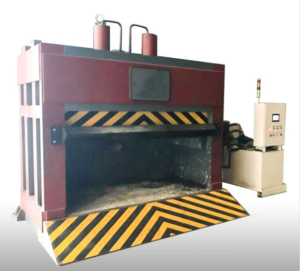
Aluminum Dross Press of Aluminum Dross Recovery

Why In-House Dross Processing Matters

Hot aluminum dross leaving the furnace still contains significant free metal — the exact proportion depending on furnace type, alloy, operating practice and how quickly the dross is handled after skimming. Without on-site pressing, dross is typically cooled slowly in open pans, allowing continued oxidation and thermiting that converts recoverable aluminum into aluminum oxide. This represents a direct and measurable production loss on every cast.

Sending unpressed dross to an external recycler recovers some of that metal, but at a fraction of its in-house value and with significant commercial and logistical dependencies. In-house pressing recovers the metal immediately, at full in-house value, and gives the operation direct control over its dross processing output.

Actual recovery rates in practice depend on several operational factors: the free metal content of the dross at skimming, the time elapsed between skimming and pressing, the distance from furnace to press, insulation conditions during transfer, and the condition of the pan-and-head set. The global average in-house aluminum recovery from dross processing is approximately 33% — SMI systems are designed to optimise all controllable variables within this range.


SMI Dross Press — Three Model Sizes

SMI supplies three standard dross press models, sized to match different furnace capacities and dross generation rates. All three models share the same engineering platform — hydraulic system architecture, control system, cooling head technology and dross pan design — with press capacity scaled to the installation requirement.

Model Single-Cycle Dross Capacity Typical Application
SMI40 250–300 kg per pressing cycle Smaller melting and casting facilities, secondary smelters, foundries
SMI60 450–500 kg per pressing cycle Medium-capacity primary and secondary smelters, recycling plants
SMI80 600–700 kg per pressing cycle High-volume primary smelters, large secondary operations

Custom configurations outside these standard ranges are available on request. Press capacity selection, pan geometry and cooling head specification are confirmed by SMI application engineers based on a review of the customer’s furnace type, dross generation rate and casthouse layout.


How the SMI Dross Press System Works

The SMI dross press operates on a fully automated, programmable cycle integrated with the casthouse workflow:

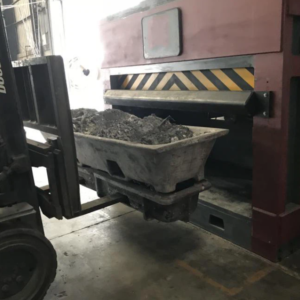
  • Hot dross is skimmed from the furnace and transferred directly to the dross pan — minimising the time between skimming and pressing is critical to maximising recovery
  • The loaded dross pan is positioned in the dross press box
  • The hydraulic cylinder drives the cooling head down into the dross box, compacting the dross under controlled pressure
  • The integrated cooling system activates simultaneously, extracting heat rapidly through the cooling head and arresting oxidation
  • The dross consolidates into a dense aluminum block with significantly reduced oxide content
  • The head retracts, the cycle completes, and the press is ready for the next pan

No manual intervention is required during the press cycle. Cycle parameters — pressure, hold time, cooling duration — are set to match the dross type and production rate of the specific installation. The automated operation reduces operator exposure to radiant heat and fume, and eliminates the skill variability associated with manual dross handling.


System Components and Specifications

Press Frame and Hydraulic System

The press frame is engineered for the compaction forces and thermal environment of continuous casthouse operation. The complete machine weight is approximately 15 tonnes. The hydraulic system is sized to the press capacity requirement and supplied as an integrated part of the press package.

SMI specifies hydraulic and electrical components from established global industrial suppliers as standard — pumps and valves from Rexroth, additional valves from SUN, filtration from HYDAC, and drive motors from Siemens. Alternative brands are available as specified by the customer. Component brand selection affects price, local serviceability, warranty terms and spare parts availability — SMI application engineers will advise on the most practical specification for each market and installation. In the event of on-site replacement, locally available motors and components of equivalent power and performance specification are fully compatible.

Dross Press Cooling Head

The dross press cooling head is the core performance component of the system. It delivers the compaction force and simultaneously extracts heat through an integrated forced-cooling circuit cast directly into the head body. SMI cooling heads are manufactured from the proprietary SMI ATM series anti-thermal-shock castable and are available in cooled and uncooled configurations across all geometries. The cooling head and dross pan are designed as a matched set to optimise seal geometry and heat transfer performance.

Dross Pan Set

The dross pan is the containment and transfer vessel for hot dross from furnace to press. SMI dross pans are cast from proprietary alloy steel formulations developed to resist the thermiting action and thermal shock of continuous hot dross service. Pan geometry is matched to the cooling head profile to ensure correct sealing under press pressure. Dross pan sets and press heads are manufactured and supplied to exact customer requirements for any dross press configuration.

Control and Automation System

The control system manages the full press cycle — hydraulic actuation, cooling circuit activation, pressure hold, cycle timing and head retraction — through a programmable controller. The system is designed for straightforward day-to-day operation and maintenance, with alarm and monitoring functions as standard. Remote monitoring capability is available as part of the control package.


System Design Considerations

SMI dross press system design takes into account the full operational context of each installation:

  • Furnace configuration — type, capacity and number of furnaces to be served
  • Material handling — forklift capacity, pan transfer method, casthouse layout and access
  • Dross characteristics — type, generation rate, free metal content and temperature at skimming
  • Utility supply — hydraulic, cooling water and electrical specifications
  • Recovery objectives — on-site recovery targets and downstream processing requirements

The goal of the design process is a system that maximises recovery both on-site and at any downstream secondary processor, within the operational and physical constraints of the specific casthouse.


Upgrade and Retrofit Supply

For operations with existing dross press installations, SMI provides upgrade and retrofit supply across the consumable and component range. If the press frame is serviceable but recovery performance has declined — due to worn cooling heads, degraded dross pans or control system limitations — SMI can supply replacement components without requiring full press replacement.

SMI cooling heads can be adapted to work with third-party press frames. Because hydraulic output, control parameters and commissioning requirements vary between press manufacturers, SMI conducts a technical review of the existing press specifications before confirming the adaptation scope. The full delivery scope — engineering review, component manufacture, on-site installation and commissioning — is available as a single-source engagement.


Delivery and Service

Parameter Details
Lead time Approximately 6~10 weeks from order confirmation
Shipping Ocean freight, 1 x 40HD container
Delivery terms DDP available; other Incoterms on request
On-site service Installation and commissioning support available
Spare parts Replacement cooling heads, dross pans and hydraulic components held in stock

Global Supply and Service

SMI has been supplying aluminum recycling systems and casthouse consumables since 1996, with over 30 years of manufacturing and export experience across legal entities in mainland China, Hong Kong, Southeast Asia, Europe and the United States. Annual mechanical product output exceeds 4,000 metric tons.

SMI dross press systems and casthouse consumables are in active service at primary aluminum smelters across the Middle East, Europe, India, North America and Asia-Pacific, including multiple operations within the world’s highest-output primary aluminum production groups. All supply relationships are subject to confidentiality agreements. Reference accounts are available to qualified buyers under appropriate confidentiality terms.


Application Sectors

  • Primary aluminum smelters
  • Secondary aluminum smelters and refineries
  • Aluminum rod, billet and bar plants
  • Metal recycling and non-ferrous scrap processing plants
  • Aluminum die casting and foundry operations
  • Magnesium and other non-ferrous metal recovery operations

Related Products — Complete Dross Management from SMI

  • Dross Press Cooling Head — cooled and uncooled variants, all geometries, matched to pan set
  • Dross Press Equipment Overview — system configurations, capacity planning and upgrade options
  • Dross Skim Pans and Sow Molds — pan-and-head matched sets, proprietary alloy steel
  • Aluminum Dross Cooling Pan — rapid salt cake cooling post-press
  • Dross Skim Blades and Casthouse Skimming Tools
  • Aluminum Dross Recycling Systems — full downstream processing: stirrer, cooler, crusher, screening and dust collection
  • Alloy Steel Sow Molds
  • Alloy Steel Ingot Molds, Sow Molds and Dross Pans for Aluminum Scrap Recycling

Request a System Quotation or Technical Consultation

To specify the correct dross press system for your operation, please provide the following at enquiry stage:

  • Furnace type and number of furnaces to be served
  • Estimated dross generation rate — tonnes per shift or pans per hour
  • Dross type: primary / secondary / rotary / other
  • Existing dross handling equipment — press frame, pan set, cooling system if applicable
  • Available utilities: hydraulic supply, cooling water, electrical specification
  • Casthouse layout drawing or dimensional constraints if available

SMI will respond with a written system recommendation and commercial proposal. Contact SMI — Aluminum Dross Press Enquiry →

Filed Under: Dross Management Tagged With: aluminium dross, Dross Press, dross processing equipment, metal recovery, secondary smelter

  • « Go to Previous Page
  • Page 1
  • Page 2
  • Page 3
  • Page 4
  • Page 5
  • Interim pages omitted …
  • Page 25
  • Go to Next Page »

Primary Sidebar

  • Home
  • About Us
  • Industries Served
    • SMI Products Overview
      • SMI Special Steel Products 01
      • SMI Special Steel Products 02
      • SMI Metal Recycling
      • NDT (Non Destructive Testing) service
  • Capabilities
    • Aluminum Industry
      • Aluminum Dross Press
      • Aluminum Dross Cooling Pan
      • Alloy Steel Sow Mold
      • Aluminum Dross Skim Blades and Skim Tools
      • Aluminum Furnace Skimming Tool or Skim blades used for Stirring and Mixing
      • Dross Press & Dross Processing
      • Application of Intelligent Ladle Slag Scraper (Skimming Tools) in steel mills and aluminum mills
      • Transmission Parts
      • The correct combination of the press head and the dross pan
      • 7-9kgs Small Standard Ingot Molds | Moldes de lingotes estándar pequeños de 7-9kgs
      • Comparison between Sow Molds and Ingot Molds
      • Aluminum Dross Transport Equipment
      • Aluminum Dross Recycling Systems
      • Aluminum, Magnesium, Brass, Bronze, Lead, Zinc Ingot Molds
      • Anode steel claw (Electrolytic claw) | Garra de acero del ánodo (garra electrolítica)
      • Anode Steel Yoke
  • eNews
  • Contact Us

Footer

Customized Products & Services

Professional Aluminum & Magnesium plant equipment supplier from China.
Up to 4,000 metric tons of mechanical products annually.
More than 30 years’ manufacturing and export experience.
Serving Global Aluminum & Magnesium smelters and metal recycling industry since 1996.

Recent Products & Services

  • High-Performance Aluminum Ingot Molds: The Complete Selection Guide
  • Casting vs Forging vs Machining: Choosing by Wear Mechanism
  • Ingot Mold Failure Modes: Causes, Prevention & Lifespan Tips
  • Global OEM Supply Chain: Heavy-Duty Crusher Wear Parts Manufacturing
  • Dross Pan Cover: Oxygen Barrier, Not Insulation

Found favorite parts & services

Sino Machine Industries — Heavy Industry Supplier with 30 Years of Manufacturing Expertise in Aluminium, Crushing & Transmission Parts. Serving primary smelters, recycling plants and OEM clients across 30+ countries. Get a free quote: [Inquiry@sinomachine.org]
  • Home
  • Privacy Policy
  • Terms of Use
  • Download Center
  • Site Map
  • Contact Us

Copyright © 2026 Sino Machine Industries (SMI) Serving Global Machinery Markets Since 1996