• Skip to main content
  • Skip to primary sidebar
  • Skip to footer

Sino Machine Industries

  • Home
  • About Us
  • Industries Served
    • SMI Products Overview
      • SMI Special Steel Products 01
      • SMI Special Steel Products 02
      • SMI Metal Recycling
      • NDT (Non Destructive Testing) service
  • Capabilities
    • Aluminum Industry
      • Aluminum Dross Press
      • Aluminum Dross Cooling Pan
      • Alloy Steel Sow Mold
      • Aluminum Dross Skim Blades and Skim Tools
      • Aluminum Furnace Skimming Tool or Skim blades used for Stirring and Mixing
      • Dross Press & Dross Processing
      • Application of Intelligent Ladle Slag Scraper (Skimming Tools) in steel mills and aluminum mills
      • Transmission Parts
      • The correct combination of the press head and the dross pan
      • 7-9kgs Small Standard Ingot Molds | Moldes de lingotes estándar pequeños de 7-9kgs
      • Comparison between Sow Molds and Ingot Molds
      • Aluminum Dross Transport Equipment
      • Aluminum Dross Recycling Systems
      • Aluminum, Magnesium, Brass, Bronze, Lead, Zinc Ingot Molds
      • Anode steel claw (Electrolytic claw) | Garra de acero del ánodo (garra electrolítica)
      • Anode Steel Yoke
  • eNews
  • Contact Us

Industries We Serve

March 12, 2023 By Sen Liang Leave a Comment

5 Signs It’s Time to Replace Your Crusher Wear Parts

5 Warning Signs Your Crusher Wear Parts Need Replacing (Before They Fail)

Running crusher wear parts to complete failure is one of the most expensive maintenance habits in aggregate and mining operations. Yet it happens constantly — because wear is gradual, pressure to keep the plant running is constant, and the signs of imminent failure are easy to rationalise away.

Here are the five warning signs that indicate replacement is overdue.


1. Throughput Has Dropped Without a Change in Feed

If your crusher is processing fewer tonnes per hour than it was six months ago and nothing has changed in your feed material or feed rate, worn liners are the most likely cause.

As jaw plates, mantles, and concaves wear, the crushing chamber geometry changes. The effective nip angle decreases, material retention in the chamber increases, and throughput drops. Many operations attribute this to feed variability and never identify the actual cause.

What to do: Compare current throughput data against baseline performance from after the last liner change. A decline of more than 10–15% is a strong indicator that chamber geometry has deteriorated beyond the optimal range.


2. Product Gradation Has Shifted Coarser

Worn crushing chamber geometry produces a coarser, less consistent product. If your downstream screens are seeing more oversize material — or if product samples are consistently running coarser than your target gradation — worn liners are a primary suspect.

This matters commercially: oversize product may not meet customer specifications, requiring recirculation through the circuit at additional energy cost.


3. Power Draw Has Increased

A crusher working harder to achieve the same output draws more power. Worn liners increase the energy required per tonne of material crushed, as the machine compensates for lost geometry efficiency with increased mechanical effort.

Monitor your crusher’s amperage or kW draw against baseline. An increase of 8–12% or more, sustained over time rather than as a momentary spike from a large feed boulder, suggests the wear part is due for replacement.


4. Wear Indicators Have Disappeared — or Thickness Is Below Minimum

Most modern jaw plates and cone crusher liners have wear indicator grooves or studs cast into the wear surface. When these disappear, the liner is at or near minimum safe thickness.

If your liners do not have built-in indicators, establish a measurement protocol — measure liner thickness at defined points during planned maintenance stops and record the data. Trend analysis allows you to predict replacement intervals rather than react to failures.

Never operate a liner below the manufacturer’s minimum thickness specification. At this point, the backing material begins to take wear loads it was not designed for, and fracture risk increases significantly.


5. You Are Hearing Unusual Noise from the Crushing Chamber

Metallic clanging, irregular impact sounds, or a change in the crusher’s characteristic operating noise are warning signs that should never be ignored. These sounds can indicate:

  • A liner that has cracked internally and is moving within the crushing chamber
  • A liner that has lost its backing compound (epoxy or zinc alloy fill) and is no longer fully supported
  • A fastener or retention system that has loosened due to wear-related movement

Any of these conditions can escalate to catastrophic liner failure — including liner pieces entering the downstream circuit — within minutes of the first warning sound.

Stop the crusher and inspect immediately if you hear unexplained changes in operating noise.


The Case for Planned Replacement

The economics of planned replacement versus run-to-failure are consistently in favour of planned replacement:

  • Planned replacement allows scheduling during a maintenance window, uses parts that are in stock, and takes 2–4 hours of planned downtime
  • Unplanned failure causes immediate shutdown, often damages the crusher backing, mainframe, or downstream equipment, and can take 12–48 hours to recover from — with emergency parts freight on top

Establishing a liner replacement schedule based on actual wear rate data — rather than calendar time or intuition — is the foundation of cost-effective crusher maintenance.

SMI supplies replacement wear parts for all major crusher OEM models, with standard and enhanced-specification materials available. Full product range at minecomponents.com. Contact our team for a technical consultation.

Filed Under: Mining & Crushing

February 16, 2023 By Coffy Leave a Comment

Aluminum Dross Recycling Systems

Aluminum Dross Recycling Systems-1
Aluminum Dross Recycling Systems-2
Aluminum Dross Recycling Systems-3

With unique design, our aluminum dross recycling system manage the hot dross very effectively , the oxidation and metal loss will be terminated in a very short time, in-house metal recovery could be 70-80%, much higher than any other solutions.

The Aluminum Dross Recycling System covers the following equipment.

Dross stirrer
Dross cooler
Crusher and screening machine
Dust collector
Conveyor

Aluminum Dross Recycling Systems (partial photographs)

Filed Under: Dross Management Tagged With: aluminium recycling, Aluminum Dross Recycling Systems, Dross Press, metal recovery, secondary smelter

February 16, 2023 By Coffy Leave a Comment

Metal Ingot Molds

Metal Ingot Molds
Metal Ingot Molds
Metal Ingot Molds
Metal Ingot Molds
Metal Ingot Molds
Metal Ingot Molds

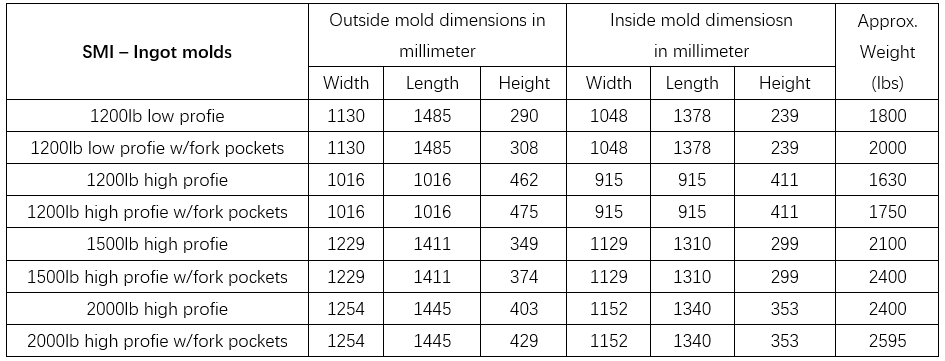
We offer Ingot molds with many sizes of standard, low-profile and high-profile, and with or without fork pockets as in the table below. Our molds are cast from a proprietary material, the material is developed by our own to provide a very good durability.

In addition to our proprietary material, we also supply other conventional steel molds and ductile iron molds, the material will be ASTM A27 Gr 70-40, ASTM A148 Gr 105-85, AISI 8630, GGG-40, GGG-50 and other materials that customers want, contact us to find the best solution for your company.

SMI - Ingot Molds
SMI – Ingot Molds

Filed Under: Casting Consumables Tagged With: aluminium casting, casting consumables, Ingot Mold, ingot mould, metal ingot

February 16, 2023 By Sen Liang Leave a Comment

Sow Mold — Multiple Chamber Dimensions and Model Range

Sow Mold — Multiple Chamber Configurations and Model Range

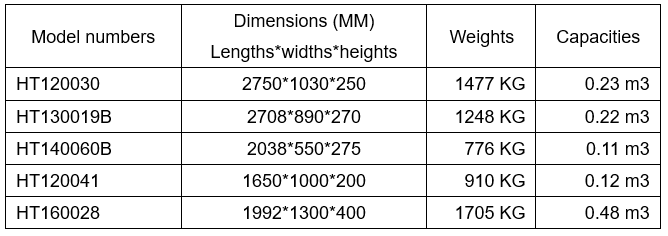
SMI multiple chamber sow molds allow multiple sows to be cast per pour — increasing throughput and reducing cycle time in high-volume primary casthouse and secondary remelting operations. Five standard configurations cover a capacity range from 0.11 m³ to 0.48 m³. All models are manufactured from SMI’s proprietary material formulation — optimised for rapid cooling and thermal shock resistance in continuous casthouse service. Custom chamber layouts and dimensions are available to customer specification.

SMI multiple chamber sow mold model range dimensions and capacities
SMI multiple chamber sow mold — standard model range dimensions and capacities

Standard Model Range — Multiple Chamber Sow Mold

Model Number Dimensions L×W×H (mm) Weight (kg) Capacity (m³)
SMI-HT-120030 2750 × 1030 × 250 1,477 0.23
SMI-HT-130019B 2708 × 890 × 270 1,248 0.22
SMI-HT-140060B 2038 × 550 × 275 776 0.11
SMI-HT-120041 1650 × 1000 × 200 910 0.12
SMI-HT-160028 1992 × 1300 × 400 1,705 0.48

All dimensions are in millimetres. Weights and capacities are nominal — actual values may vary depending on final design configuration. Custom chamber configurations and dimensions available on request.


About Multiple Chamber Sow Molds

Multiple chamber sow molds divide the casting volume into two or more separate chambers within a single mold body. Each chamber receives a separate pour of molten aluminium and produces an individual sow upon solidification — increasing the number of sows produced per handling cycle, reducing crane movements and improving casthouse floor utilisation. The chamber divider geometry and wall thickness are engineered to ensure consistent solidification across all chambers simultaneously, preventing differential shrinkage and maintaining consistent sow dimensions across the full production run.


Material

All SMI multiple chamber sow molds are manufactured from SMI’s proprietary material formulation — developed over 30 years of continuous supply to aluminium casthouses worldwide. The formulation delivers rapid cooling rate and thermal shock resistance — the two performance requirements that determine service life in high-cycle casthouse environments. Alternative material options are available for specific operating conditions on request.


← Back to Dross Skim Pan and Sow Mold Overview | Contact SMI — Sow Mold Enquiry →

Filed Under: Casting Consumables

February 16, 2023 By Sen Liang Leave a Comment

Sow Mold — Single Chamber Dimensions and Model Range

Sow Mold — Single Chamber Configurations and Model Range

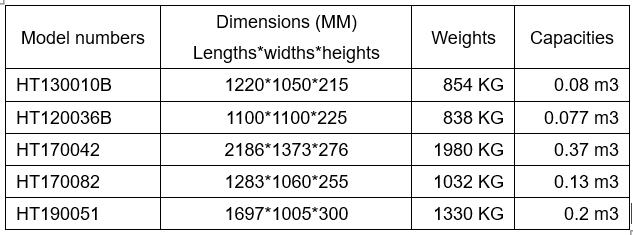
SMI single chamber sow molds are designed for casting aluminium sows from molten metal or recovered aluminium in primary casthouse and secondary remelting operations. Five standard configurations cover a capacity range from 0.077 m³ to 0.37 m³. All models are manufactured from SMI’s proprietary material formulation — optimised for rapid cooling rate and thermal shock resistance, extending service life in high-cycle casthouse environments. Custom dimensions are available to customer drawing or specification.

SMI single chamber sow mold model range dimensions and capacities
SMI single chamber sow mold — standard model range dimensions and capacities

Standard Model Range — Single Chamber Sow Mold

Model Number Dimensions L×W×H (mm) Weight (kg) Capacity (m³)
SMI-HT-130010B 1220 × 1050 × 215 854 0.08
SMI-HT-120036B 1100 × 1100 × 225 838 0.077
SMI-HT-170042 2186 × 1373 × 276 1,980 0.37
SMI-HT-170082 1283 × 1060 × 255 1,032 0.13
SMI-HT-190051 1697 × 1005 × 300 1,330 0.20

All dimensions are in millimetres. Weights and capacities are nominal — actual values may vary depending on final design configuration. Custom dimensions available on request.


About Single Chamber Sow Molds

The single chamber sow mold provides a single casting cavity for producing one aluminium sow per pour. The open-top design allows molten aluminium to be poured directly from a ladle or transfer crucible into the mold cavity, where it solidifies into a sow of consistent dimensions suitable for transport, storage and remelting. Wall geometry and base configuration are optimised for consistent solidification, easy sow release and stable stacking after casting.


Material

All SMI single chamber sow molds are manufactured from SMI’s proprietary material formulation — developed over 30 years of continuous supply to aluminium casthouses worldwide. The formulation delivers rapid cooling rate and thermal shock resistance — the two performance requirements that determine service life in high-cycle casthouse environments. Alternative material options are available for specific operating conditions on request.


← Back to Dross Skim Pan and Sow Mold Overview | Contact SMI — Sow Mold Enquiry →

Filed Under: Casting Consumables

February 16, 2023 By Sen Liang Leave a Comment

Dross Skim Pan — Multiple Chamber Dimensions and Model Range

Dross Skim Pan — Multiple Chamber Configurations and Model Range

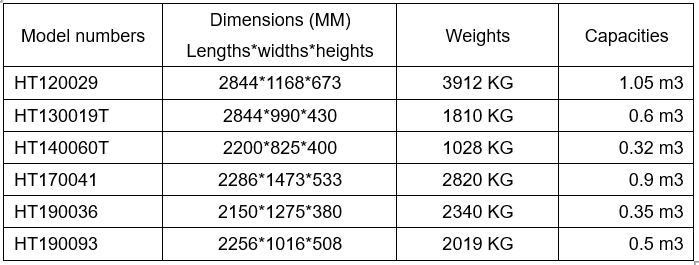
SMI multiple chamber dross skim pans provide separated collection zones within a single pan body — allowing dross fractions to be kept separate during skimming and collection, or accommodating specific casthouse process flow requirements. Six standard configurations cover a capacity range from 0.32 m³ to 1.05 m³. All models are manufactured from SMI’s proprietary material formulation — optimised for rapid cooling rate and thermal shock resistance in continuous casthouse service. Custom chamber layouts and dimensions are available to customer specification.

SMI multiple chamber dross skim pan model range dimensions and capacities
SMI multiple chamber dross skim pan — standard model range dimensions and capacities

Standard Model Range — Multiple Chamber Skim Pan

Model Number Dimensions L×W×H (mm) Weight (kg) Capacity (m³)
SMI-HT-120029 2844 × 1168 × 673 3,912 1.05
SMI-HT-130019T 2844 × 990 × 430 1,810 0.60
SMI-HT-140060T 2200 × 825 × 400 1,028 0.32
SMI-HT-170041 2286 × 1473 × 533 2,820 0.90
SMI-HT-190036 2150 × 1275 × 380 2,340 0.35
SMI-HT-190093 2256 × 1016 × 508 2,019 0.50

All dimensions are in millimetres. Weights and capacities are nominal — actual values may vary depending on final design configuration. Custom chamber layouts and dimensions available on request.


Chamber Divider Configurations

SMI multiple chamber skim pans are available in two distinct divider configurations — selected according to the casthouse’s dross fraction separation requirements and process flow:

Three Chamber — Low Divider

The three chamber low divider configuration incorporates two internal dividers at approximately one third to one half of the total cavity depth. The lower divider height allows a degree of controlled flow between chambers during filling and skimming — providing flexible dross collection across three zones within a single pan body. This configuration suits casthouses where broad dross fraction zoning is required without strict separation between chambers.

Dual Chamber — High Divider

The dual chamber high divider configuration incorporates a single internal divider at approximately three quarters to four fifths of the total cavity depth. The higher divider provides more thorough separation between the two chambers — limiting cross-chamber flow and maintaining more distinct dross fraction separation throughout the skimming and collection cycle. This configuration suits casthouses where strict separation of different dross fractions or different furnace taps is required within a single pan handling operation.


About Multiple Chamber Skim Pans

Multiple chamber skim pans are used where casthouse process requirements call for separation of different dross fractions during skimming — or where the physical layout of the furnace and casthouse floor benefits from a longer pan geometry with internal dividers rather than multiple separate single chamber pans. The internal divider geometry is engineered to maintain structural integrity under repeated thermal cycling while providing effective zone separation between chambers throughout the service life of the pan.

The choice between three chamber low divider and dual chamber high divider configurations depends on the degree of separation required and the specific dross handling practice of the casthouse. SMI’s engineering team can advise on configuration selection based on the customer’s furnace type, dross volume and casthouse process requirements.


Material

All SMI multiple chamber skim pans are manufactured from SMI’s proprietary material formulation — developed over 30 years of continuous supply to aluminium casthouses worldwide. The formulation delivers rapid cooling rate and thermal shock resistance — the two performance requirements that determine service life in high-cycle casthouse environments. Alternative material options are available for specific operating conditions on request.


← Back to Dross Skim Pan and Sow Mold Overview | Contact SMI — Skim Pan Enquiry →

Filed Under: Casting Consumables

  • « Go to Previous Page
  • Page 1
  • Interim pages omitted …
  • Page 4
  • Page 5
  • Page 6
  • Page 7
  • Page 8
  • Interim pages omitted …
  • Page 25
  • Go to Next Page »

Primary Sidebar

  • Home
  • About Us
  • Industries Served
    • SMI Products Overview
      • SMI Special Steel Products 01
      • SMI Special Steel Products 02
      • SMI Metal Recycling
      • NDT (Non Destructive Testing) service
  • Capabilities
    • Aluminum Industry
      • Aluminum Dross Press
      • Aluminum Dross Cooling Pan
      • Alloy Steel Sow Mold
      • Aluminum Dross Skim Blades and Skim Tools
      • Aluminum Furnace Skimming Tool or Skim blades used for Stirring and Mixing
      • Dross Press & Dross Processing
      • Application of Intelligent Ladle Slag Scraper (Skimming Tools) in steel mills and aluminum mills
      • Transmission Parts
      • The correct combination of the press head and the dross pan
      • 7-9kgs Small Standard Ingot Molds | Moldes de lingotes estándar pequeños de 7-9kgs
      • Comparison between Sow Molds and Ingot Molds
      • Aluminum Dross Transport Equipment
      • Aluminum Dross Recycling Systems
      • Aluminum, Magnesium, Brass, Bronze, Lead, Zinc Ingot Molds
      • Anode steel claw (Electrolytic claw) | Garra de acero del ánodo (garra electrolítica)
      • Anode Steel Yoke
  • eNews
  • Contact Us

Footer

Customized Products & Services

Professional Aluminum & Magnesium plant equipment supplier from China.
Up to 4,000 metric tons of mechanical products annually.
More than 30 years’ manufacturing and export experience.
Serving Global Aluminum & Magnesium smelters and metal recycling industry since 1996.

Recent Products & Services

  • High-Performance Aluminum Ingot Molds: The Complete Selection Guide
  • Casting vs Forging vs Machining: Choosing by Wear Mechanism
  • Ingot Mold Failure Modes: Causes, Prevention & Lifespan Tips
  • Global OEM Supply Chain: Heavy-Duty Crusher Wear Parts Manufacturing
  • Dross Pan Cover: Oxygen Barrier, Not Insulation

Found favorite parts & services

Sino Machine Industries — Heavy Industry Supplier with 30 Years of Manufacturing Expertise in Aluminium, Crushing & Transmission Parts. Serving primary smelters, recycling plants and OEM clients across 30+ countries. Get a free quote: [Inquiry@sinomachine.org]
  • Home
  • Privacy Policy
  • Terms of Use
  • Download Center
  • Site Map
  • Contact Us

Copyright © 2026 Sino Machine Industries (SMI) Serving Global Machinery Markets Since 1996